
Dreyfus’s Captivity
An Officer and a SpyThis thread follows Alfred Dreyfus through isolation, deteriorating health, survival, release, and the long-awaited restoration of his name.
increasing Bearing strength in each event
 decreasing
Bearing strength in each eventdecreasingA Husband in a Cell
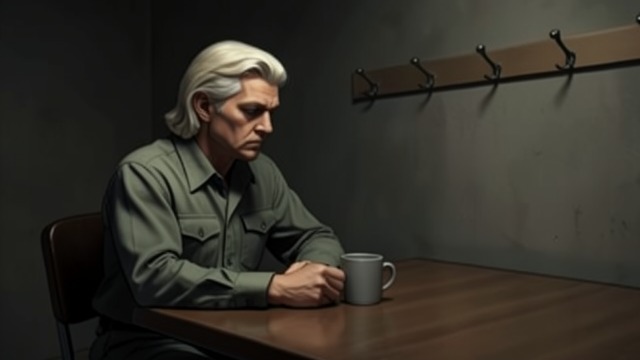
A Husband in a Cell
Separation begins
After his arrest, Alfred Dreyfus writes to Lucie about the shock of being accused and his confidence that the case is a nightmare. He fears that his family will suffer with him.
A private life under control
His letters are copied and restricted. Even ordinary expressions of love become material for officials to inspect, making family connection a privilege managed by the state.
The Island Sentence

The Island Sentence
A distant punishment
Alfred Dreyfus reaches Devil’s Island and discovers he is to be confined there alone. Guards are ordered not to speak with him, and the ocean becomes both barrier and spectacle.
Survival as resistance
He writes descriptions of rain, heat, vermin, and loneliness to his wife. His insistence on justice persists even as officials seek to isolate him from every audience.
Nightly Restraints
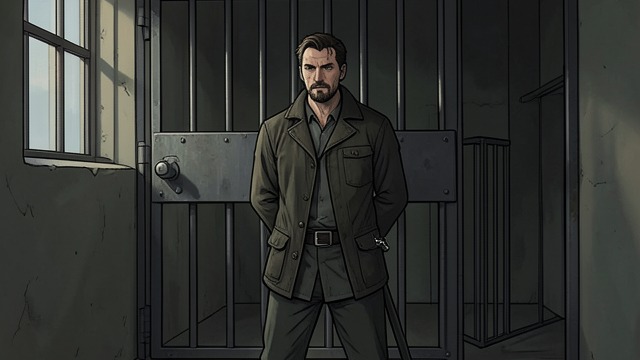
Nightly Restraints
Confinement tightened
After hoax letters provoke security fears, officials place Dreyfus in irons at night and restrict him to a narrow space behind fencing.
Punishment without cause
The restraints deepen his physical and mental suffering without establishing any actual threat. His protest identifies the measure as retaliation against a family that continues to seek review.
A Broken Return
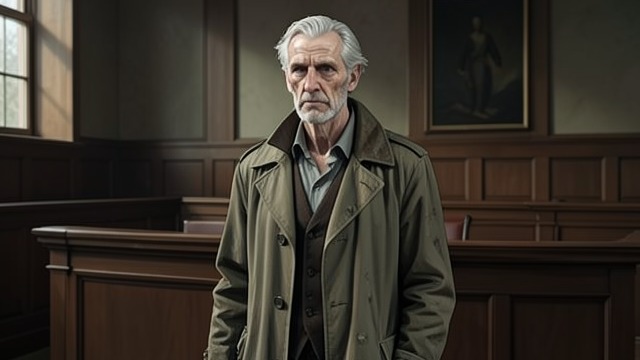
A Broken Return
Years have marked him
At Rennes, Alfred Dreyfus appears far older than his age, physically weakened by imprisonment and illness. The courtroom sees the bodily consequences of a sentence imposed after a secret trial.
Dignity maintained
He answers technical questions and continues to proclaim his innocence. His restraint is not proof of coldness but a way of resisting the role of helpless victim.
Freedom Without Honor
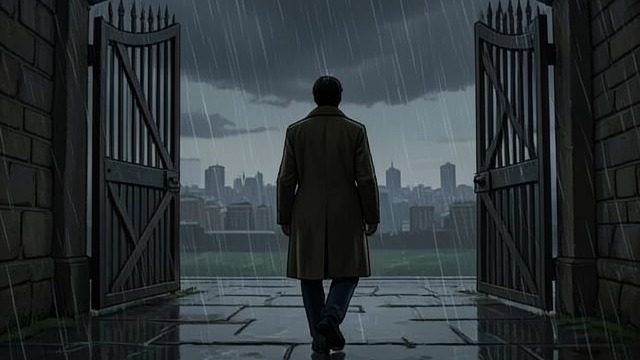
Freedom Without Honor
Pardon and release
Alfred Dreyfus accepts a pardon because his health is failing. He leaves prison but refuses to regard the pardon as restoration of his honor.
Final justice arrives later
He avoids Paris and fears assassination, while legal review continues. In 1906 the courts fully exonerate him and the army reinstates him, completing a long but incomplete repair.
December 1894
1895
September 1896
August 1899
September 1899–1906
